Transform Your Health with Weight-loss Surgery at St. Mary's Hospital in Athens, GA
Are you considering bariatric surgery to achieve lasting weight loss and improve your overall health? At St. Mary's Hospital in Athens, GA, we offer comprehensive bariatric surgery options designed to help individuals in Athens and surrounding areas like Oconee County, Clarke County, Barrow County, and beyond achieve a healthier, more fulfilling life.

Bariatric Surgery in Athens, GA: A Path Toward Lasting Weight Loss and Better Health
Bariatric surgery is more than a weight loss solution; it is a life-changing approach to improving overall health, increasing mobility, and reducing the risk of serious medical conditions. For individuals who have struggled to achieve lasting results through diet, exercise, or medication alone, bariatric surgery offers a proven, medically guided path forward. By making changes to the digestive system, these procedures help reduce hunger, improve metabolism, and support long-term weight management.
At St. Mary’s, our bariatric program supports patients across Athens, GA, Athens-Clarke County, and Northeast Georgia, offering compassionate, comprehensive care at every step of the journey. From your initial consultation through surgery and long-term follow-up, our team is here to guide and support you with personalized care designed around your goals.
What to Expect After Bariatric Surgery at St. Mary’s Healthcare System
At St. Mary’s Healthcare System, we are committed to ensuring a smooth recovery for patients undergoing bariatric surgery. Most patients stay in the hospital for one to two nights following their weight-loss surgery, allowing our expert team to monitor their progress, manage pain, and provide essential post-surgery guidance. Before your procedure, you’ll begin a specialized bariatric diet, which will continue to progress after surgery to support healing and long-term success. Adhering to post-surgery dietary and activity guidelines is crucial, as patients who commit to these changes see the best results.
Following bariatric surgery, you may experience discomfort, but your surgeon will prescribe medication to help manage pain. During your hospital stay, you’ll start on a bariatric clear liquid diet, gradually increasing your intake as your body adjusts. Initially, you’ll sip 1 ounce (30 ml) of liquid every 15 minutes to stay hydrated and promote healing. While you may feel fatigued, walking as soon as possible is key to reducing gas pain and preventing complications. Once you’re discharged, your bariatric journey truly begins, with ongoing support and guidance from our St. Mary’s Healthcare System team to help you achieve lasting success.
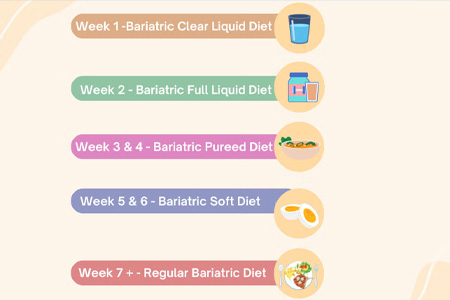
Bariatric surgery changes your digestive system, impacting both the amount of food you can eat and the types of foods your body can tolerate. To ensure proper healing and long-term success, patients follow a structured five-stage bariatric diet after surgery. Each stage is carefully designed to help your body adjust, promote healing, and support sustained weight loss. While specific guidelines may vary slightly by program, the general progression of the bariatric diet follows a similar structure to ensure optimal recovery and nutritional intake.
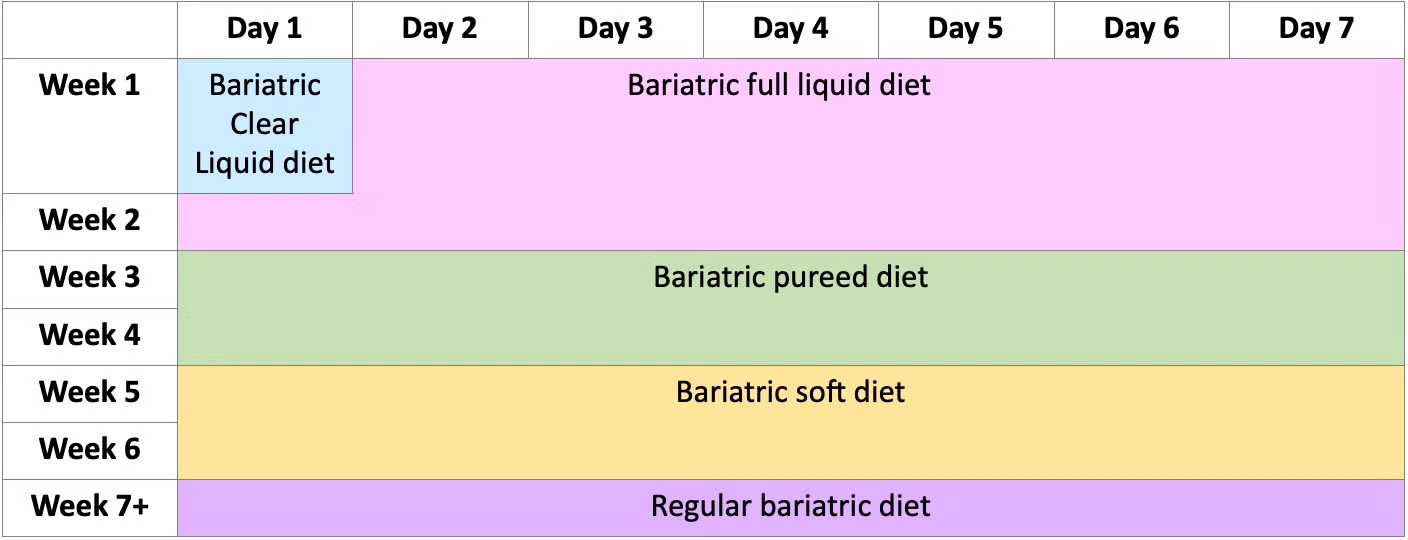
Recovery from bariatric surgery is a gradual process, and each patient’s experience is unique. In the first few weeks, you may feel tired and experience some discomfort, but staying active plays a crucial role in your healing journey. During the first six weeks after surgery, light physical activity such as walking, using an elliptical, or riding a stationary bike is recommended to promote blood flow and reduce complications. It is important to avoid lifting more than 15 pounds and to refrain from bending or twisting during this initial recovery period.
After the six-week mark, you should gradually increase your physical activity as your body allows, helping to support weight loss and prevent weight regain. Long-term success with bariatric surgery depends on building healthy exercise habits, making regular physical activity an essential tool in maintaining your results and improving overall well-being.
One of the primary goals of bariatric surgery is achieving significant and sustainable weight loss. However, the amount of weight you lose will vary based on several factors, including the type of surgery, your starting weight, adherence to dietary and exercise recommendations, and your metabolism. On average, patients can expect to lose 25-30% of their total body weight after a sleeve gastrectomy (SG) and 30-35% after a Roux-en-Y gastric bypass (RYGB).
Most weight loss occurs within the first year after surgery, making this an essential period for developing healthy habits. Beyond the scale, non-scale victories—such as improved overall health, increased mobility, and better quality of life—are just as important. Long-term success depends on maintaining a balanced diet, staying active, and following post-surgery guidelines to ensure lasting weight loss and overall well-being.
Percent of Total Body Weight Loss by Procedure
| Procedure | % Total Body Weight Lost |
| Sleeve gastrectomy (SG) | 25-30% |
| Roux-en-Y gastric bypass (RYGB) | 30-35% |
Most of your weight loss will happen within the first year. After that, it is important to work on weight maintenance and focus on victories that happen off your bathroom scale, such as improving health.
For most patients, bariatric surgery leads to significant improvements in overall health by reducing or even resolving many weight-related conditions. Studies show that hypertension, diabetes, high cholesterol, sleep apnea, and gastroesophageal reflux disease (GERD) can all improve or go into remission following weight-loss surgery. The extent of improvement depends on factors such as the type of procedure and individual patient characteristics.
On average, patients who undergo a sleeve gastrectomy (SG) see a 60-75% resolution in these conditions, while those who have a Roux-en-Y gastric bypass (RYGB) experience higher resolution rates, ranging from 75-95%. These improvements not only enhance overall quality of life but also reduce the long-term risks associated with obesity-related diseases. At St. Mary’s Healthcare System in Athens, GA, our team is dedicated to helping patients achieve better health through robotic and traditional bariatric surgery, offering comprehensive support throughout their weight-loss journey.
Adapted from ASMBS’s Essentials of Bariatric & Metabolic Surgery App Essentials of Bariatric & Metabolic Surgery on the App Store (apple.com)
Undergoing bariatric surgery leads to significant physical, emotional, and psychological changes. While rapid weight loss often boosts self-esteem and body image, it can also bring about complex emotions and adjustments. Many patients experience mood shifts, evolving relationships, and body image concerns as they adapt to their new lifestyle.
To navigate these changes successfully, it’s important to have a strong support system. Engaging in support groups, therapy, and open communication with your doctor can help you process emotions and maintain a positive mindset. At St. Mary’s Healthcare System in Athens, GA, we provide comprehensive bariatric support to help patients adjust to life after surgery, ensuring both physical and emotional well-being on their weight-loss journey.
Robotic Bariatric Surgery at St. Mary’s Healthcare System
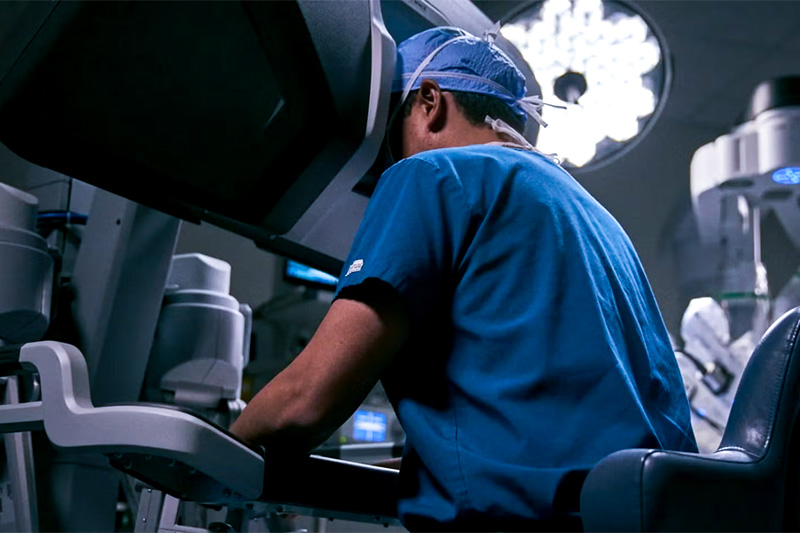
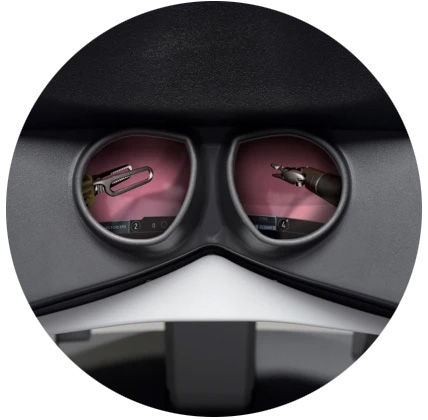
At St. Mary’s Healthcare System in Athens, GA, we proudly offer advanced robotic bariatric surgery using the state-of-the-art da Vinci® XI robotic system. This cutting-edge technology enhances surgical precision, minimizes invasiveness, and significantly improves patient outcomes. Our skilled surgeons utilize this robotic platform to perform bariatric procedures with greater accuracy, leading to less pain, reduced recovery time, and fewer complications.
Frequently Asked Questions About Bariatric Surgery in Athens, GA
Bariatric surgery refers to a group of procedures that help with weight loss by changing how the digestive system works. These surgeries reduce the size of the stomach and, in some cases, alter how the body absorbs nutrients.
Candidates typically have a body mass index (BMI) of 40 or higher, or a BMI of 35 or higher with obesity-related conditions such as diabetes, high blood pressure, or sleep apnea. A full evaluation with a provider is required to determine eligibility.
The most common procedures include gastric sleeve (sleeve gastrectomy) and Roux-en-Y gastric bypass. Your provider will help determine which option is best for your health and goals.
Weight loss varies by procedure and individual factors, but many patients lose 50 to 70 percent of their excess body weight within the first 12 to 18 months.
Bariatric surgery is considered safe and effective when performed by experienced surgical teams. Minimally invasive techniques, such as laparoscopic and robotic surgery, help reduce risks and recovery time.
Most patients return to normal activities within 2 to 4 weeks, depending on the procedure and individual healing. Your care team will provide detailed recovery guidelines.
Yes. Patients follow a structured diet that progresses from liquids to solid foods. Long-term dietary changes are essential for maintaining weight loss and overall health.
In addition to weight loss, many patients experience improvement or resolution of conditions such as diabetes, high blood pressure, sleep apnea, and joint pain.
Yes. Ongoing follow-up visits, nutritional counseling, and lifestyle support are important for maintaining results and monitoring your health after surgery.
Many insurance plans cover bariatric surgery if certain criteria are met. Our team can help you understand your coverage and guide you through the approval process.
The first step is to attend an informational session or schedule a consultation with a bariatric provider. This allows you to learn about your options and begin the evaluation process.
Related Locations