Comprehensive Cardiology Care in Athens, GA
Your heart health is at the center of everything we do. At St. Mary’s Health Care System, our cardiology team delivers advanced, compassionate care for patients across Athens, GA and surrounding communities. From prevention and diagnosis to life-saving intervention and recovery, we are here for every step of your journey.
Advanced Heart Care, Stroke Treatment, and Cardiovascular Services for Athens and Northeast Georgia

What Is Cardiology?
Cardiology is the medical specialty focused on the prevention, diagnosis, and treatment of diseases affecting the heart and blood vessels. This includes conditions such as coronary artery disease, heart rhythm disorders, stroke, and heart failure.
At St. Mary’s Health Care System, cardiology is more than a specialty; it is a coordinated, patient-centered approach to lifelong heart health. Our team brings together advanced technology, experienced specialists, and a deep commitment to the communities we serve across Athens, GA, and Northeast Georgia.
Frequently Asked Questions About Cardiology
A cardiologist is a physician who diagnoses and treats diseases of the cardiovascular system. Some of these areas include, but are not limited to, the heart, arteries, veins, and capillaries.
Cardiologists help patients manage a variety of conditions, such as heart attacks, high blood pressure, arrhythmias, and structural heart defects.
Patients are typically referred to a cardiologist by a primary care provider to manage or prevent heart-related issues.
Whenever you experience chest pain, shortness of breath, or have risk factors like high blood pressure, it is best to talk to your primary care provider about possibly being referred to a cardiologist for further testing.
Cardiology focuses on the heart, while vascular care treats blood vessels.
Heart catheterization is a minimally invasive procedure that lasts about an hour on average.
During the procedure, a flexible tube (called a catheter) is gently guided through the patient's blood vessels and into the heart.
The purpose of this procedure is to diagnose or treat conditions such as blockages, and the catheter is usually inserted in the wrist or groin area. Due to the minimally invasive nature of this procedure, patients are often awake but mildly sedated. Cardiac catheterization is usually treated as an outpatient procedure, meaning that patients are usually able to return home the same day that their procedure takes place.
Take the Next Step Toward Better Heart Health
Whether you need preventive care, advanced treatment, or support after a heart event, our cardiology team is here for you. Schedule an appointment today or talk with your provider about a referral to our heart specialists in Athens, GA.
Related Providers

John Robert Morsek, MD
Cardiology +1 more
Accepting New Patients
St. Mary's Medical Group

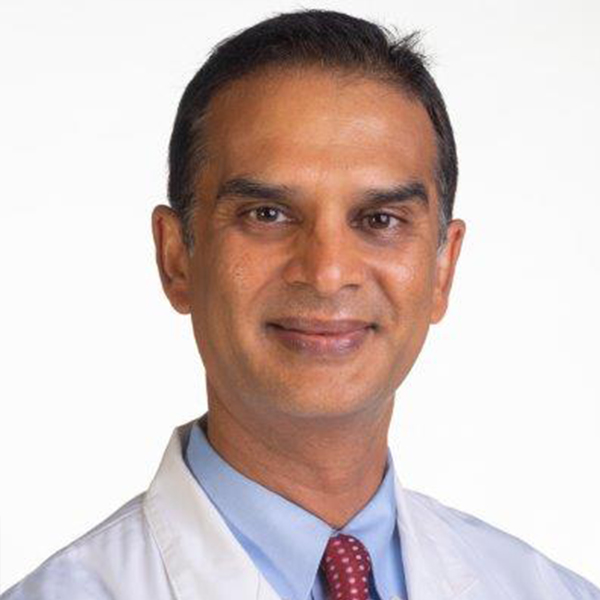
Amit Dhirubhai Shah, MD
Clinical Cardiac Electrophysiology +2 more
Accepting New Patients
St. Mary's Medical Group

John Walter Layher, MD
Cardiology +1 more
Accepting New Patients
St. Mary's Medical Group
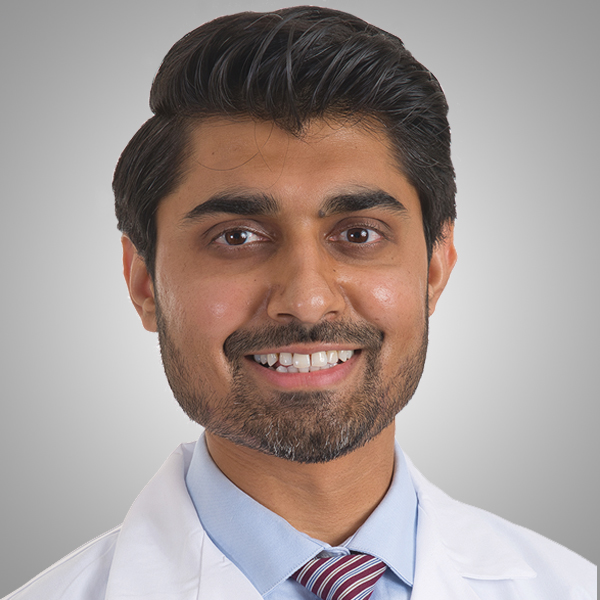
Hiren Patel, MD
Interventional Cardiology +3 more
Accepting New Patients
St. Mary's Medical Group
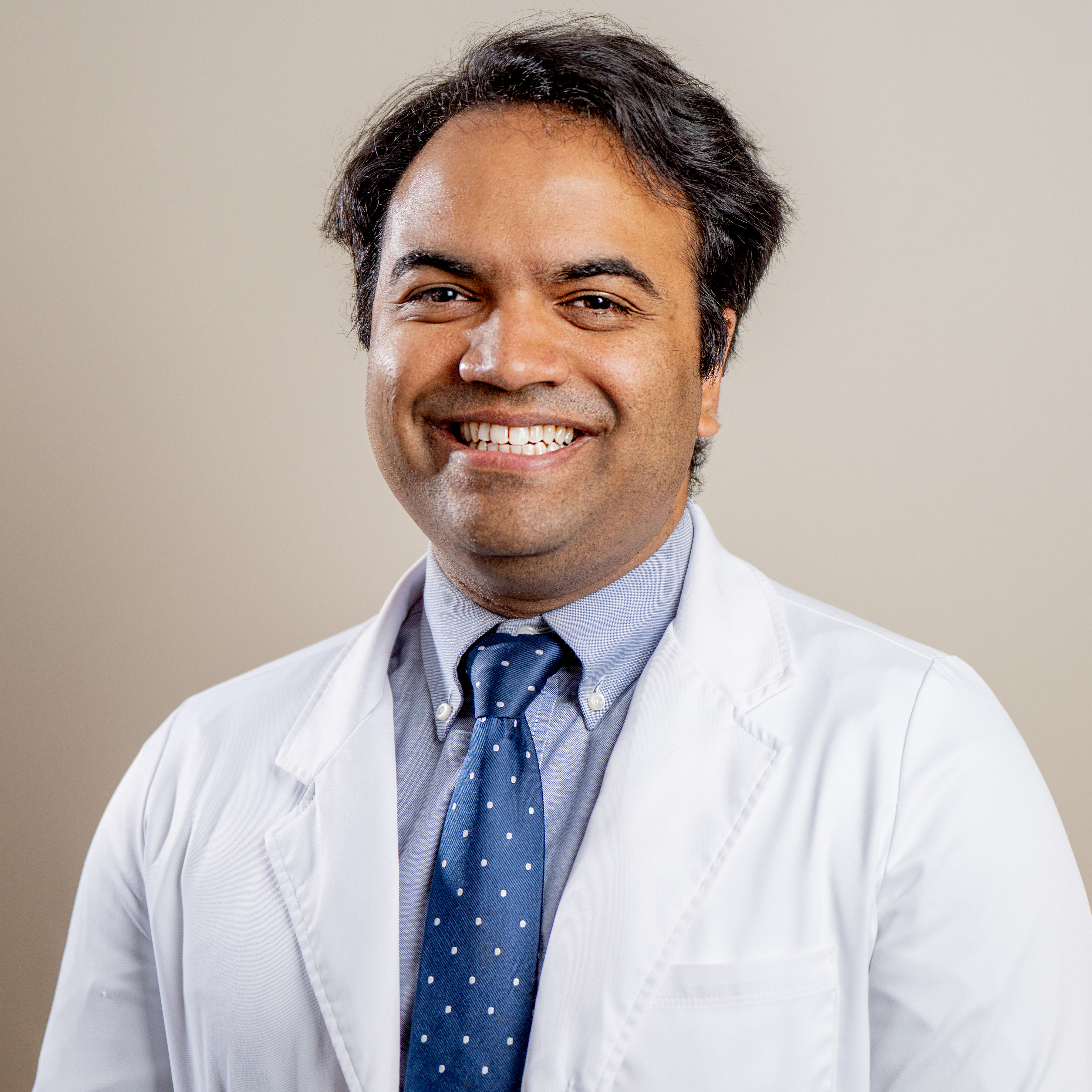
Roop Dutta, MD
Clinical Cardiac Electrophysiology +1 more
Accepting New Patients
St. Mary's Medical Group
Related Locations



St. Mary's Good Samaritan Hospital
5401 Lake Oconee Parkway
Greensboro, GA 30642-4232
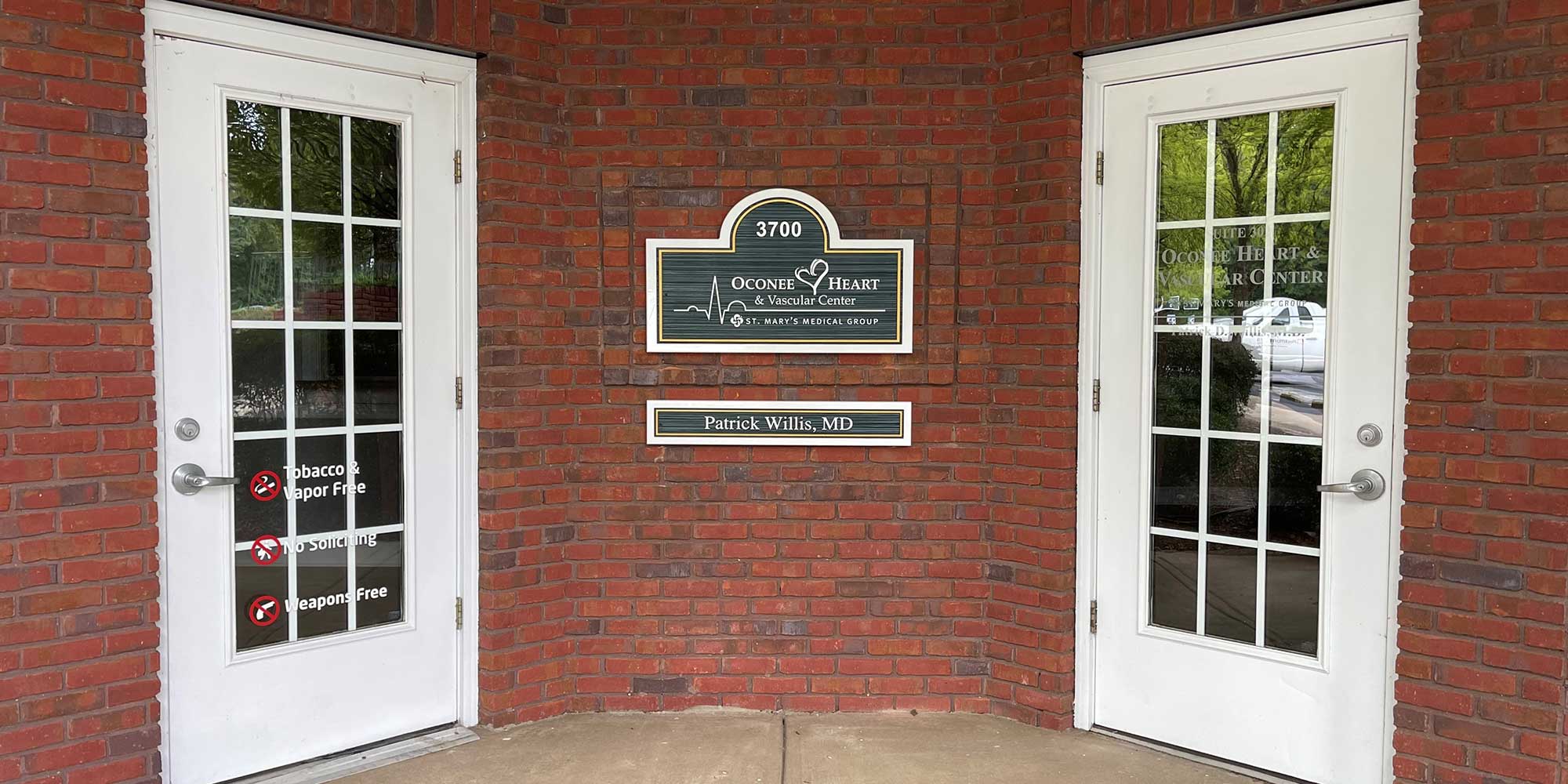
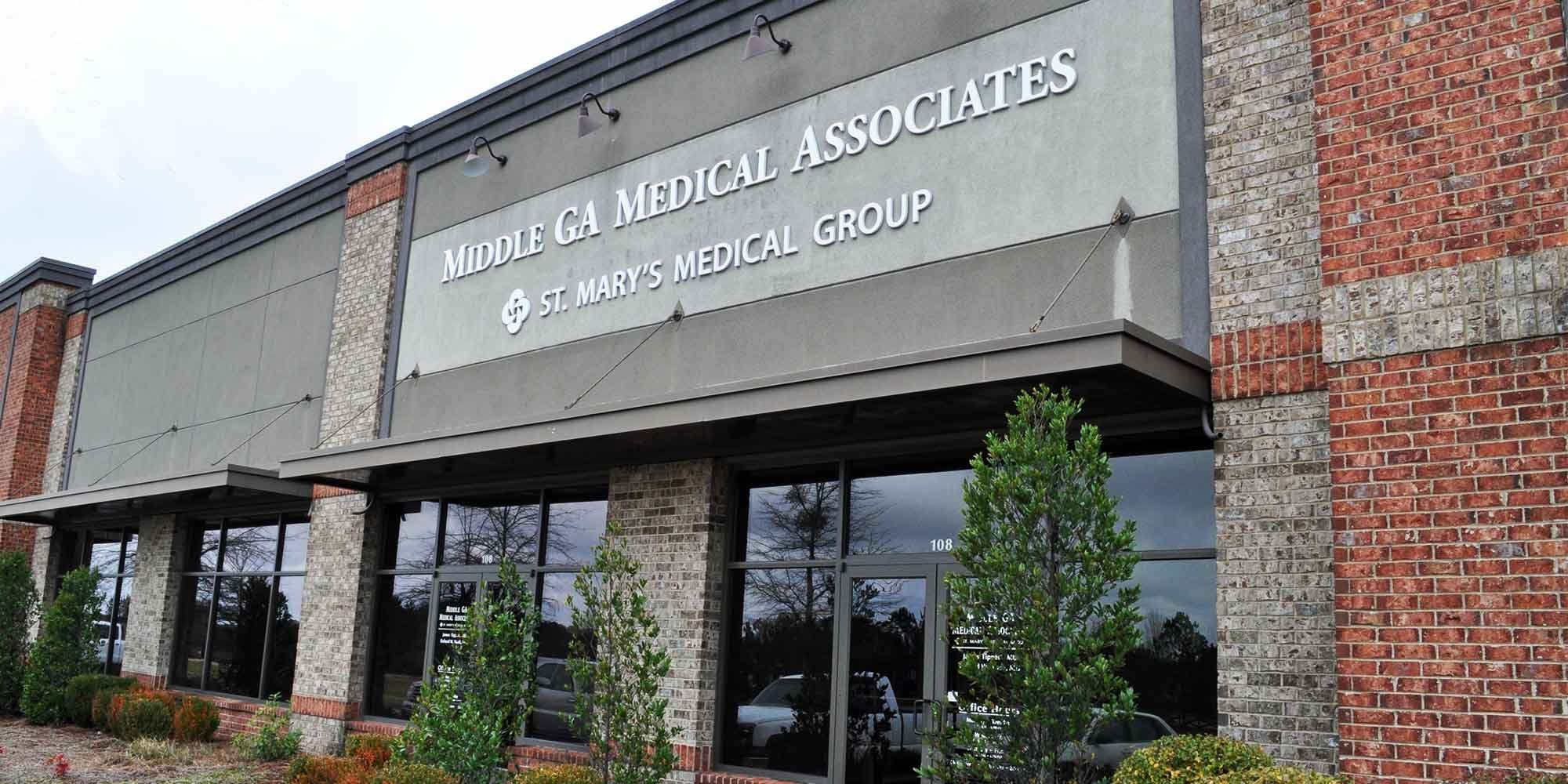
Oconee Heart & Vascular Center - Greensboro
1110 Commerce Dr Ste 108
Greensboro, GA 30642

Oconee Heart and Vascular Center - Lavonia
355 Clear Creek Pkwy Ste 1003
Lavonia, GA 30553